Emergency Meals: Healthy Freezer & Shelf-Stable Foods Guide
In an unpredictable world, preparing for unexpected events is a cornerstone of household resilience. While many focus on basic survival supplies, the often-overlooked secret weapon in any crisis arsenal is a well-stocked pantry and freezer brimming with healthy emergency food prep options. Eating nutritiously during challenging times isn't just about staving off hunger; it's fundamental for maintaining physical health, mental fortitude, and immune system strength when you need it most. This comprehensive guide will walk you through building a robust and healthy emergency food supply, focusing on long-lasting, nutrient-dense ingredients and practical meal solutions.
The Foundation of a Resilient Pantry: Strategic Stocking
The concept of "emergency food" often conjures images of bland, unappetizing rations. However, with thoughtful planning, your crisis provisions can be both wholesome and delicious. The key is to think proactively about both shelf-stable and freezer-friendly options that align with your family's dietary needs and preferences.
Prioritizing Nutrition in Crisis
During an emergency – be it a natural disaster, power outage, or widespread health event – your body's nutritional demands can actually increase. Stress, physical exertion from recovery efforts, or fighting off illness all require more energy and essential nutrients. Opting for high-energy, high-protein, and vitamin-rich foods is crucial for sustained physical stamina and maintaining a strong immune system. This means looking beyond mere caloric intake to focus on nutrient density.
For more detailed strategies on building a crisis-ready food supply, check out our article on Crisis Nutrition: Stock Your Pantry for Health & Resilience.
Smart Shopping & Storage Practices
- Meal Plan with Purpose: Before hitting the grocery store, envision specific meals you can create using your emergency staples. Think about recipes that can be eaten immediately or easily frozen for later. This prevents aimless buying and food waste. Consider double batches of your favorite soups or chilis – one for dinner tonight, one for the freezer.
- Shelf Stability Matters: When purchasing canned goods, always check expiration dates. Reach for items further back on the shelf, as stores typically place older stock at the front. Aim for cans with the longest possible shelf life.
- Embrace Freezer Meals: Freezer meals are a game-changer for healthy emergency food prep. They offer convenience and lock in freshness, making healthy eating much easier during stressful times. Cook large batches of stews, casseroles, or pasta sauces and freeze them in meal-sized portions.
- Don't Shun Fresh Produce (Initially): While frozen and canned foods are staples, don't overlook fresh fruits and vegetables if available early in a crisis. Stock up on hardier produce like apples, oranges, potatoes, and onions. What you can't eat fresh, you can often freeze for later use (e.g., blanched green beans, berries).
- Buy in Bulk Strategically: Purchasing staples in bulk can save money, reduce packaging waste, and ensure you have a substantial supply. Look for bulk options on grains, dried beans, and nuts. However, only buy what you know you'll use and can properly store.
Shelf-Stable Superheroes: Your Pantry Essentials
The heart of any emergency food plan lies in shelf-stable items that require no refrigeration and have long expiration dates. Focus on items that are low in sodium and high in protein and fiber.
Protein-Packed Powerhouses
Protein is vital for energy and muscle maintenance, especially during strenuous times. Canned beans are champions here:
- Black Beans: Versatile in Mexican dishes, salads, or as a side.
- Garbanzo Beans (Chickpeas): Great for making hummus (if you have tahini and lemon) or adding to stews.
- Pinto Beans: Excellent in chilis, burritos, or as a flavorful side.
- Refried Beans: A quick and easy protein source for tacos or quesadillas.
- Canned Lentils: High in fiber and protein, perfect for soups or salads.
- Canned Chicken, Tuna, or Salmon: Lean protein sources for sandwiches, salads, or mixing into pasta. Look for options packed in water to avoid excess oil.
- Nut Butters: Peanut, almond, or cashew butter provide healthy fats, protein, and are highly caloric.
- Dried Beans & Lentils: Require more cooking time and water, but are extremely economical and have an indefinite shelf life.
Nutrient-Dense Produce & Purees
Even without fresh produce, you can ensure a good intake of vitamins and minerals:
- Canned Corn: A sweet and crunchy addition to many meals.
- Diced Tomatoes & Tomato Sauce: Essential for pasta dishes, chilis, and soups.
- Canned Hominy: A unique texture for stews and side dishes.
- Canned Pumpkin Puree, Sweet Potato Puree, Butternut Squash Puree: Don't just save these for pies! They are incredibly rich in vitamins A and C, and can be used in soups, baked goods, or even mixed into oatmeal.
- Dried Fruits: Apricots, raisins, cranberries offer natural sugars for energy and fiber.
Grains, Oils, and Flavor Enhancers
- Whole Grains: Brown rice, quinoa, oats (rolled or steel-cut) provide complex carbohydrates for sustained energy. Pasta is also a versatile option.
- Healthy Oils: Olive oil, avocado oil, or coconut oil in stable containers provide essential fats and aid in cooking.
- Seasonings & Spices: Salt, pepper, garlic powder, onion powder, chili powder, and other dried herbs can transform simple ingredients into flavorful meals. Don't underestimate the morale boost of a well-seasoned dish.
- Honey or Maple Syrup: Natural sweeteners that also have a long shelf life.
- Shelf-Stable Milk Alternatives: Almond milk, soy milk, or oat milk in aseptic cartons are great for cereal, coffee, or smoothies.
- Broths (Canned or Boxed): Vegetable, chicken, or beef broth are fundamental for soups, stews, and adding flavor to grains.
For more ideas on essential ingredients, read our guide on Healthy Emergency Food Prep: Smart Pantry Staples for Crisis.
Freezer Feast: Maximizing Your Cold Storage
Your freezer is a powerful tool in your healthy emergency food prep strategy. It extends the life of many perishable items and allows for convenient, nutritious meals even when fresh options are scarce.
Frozen Fruits & Vegetables: Versatility Unlocked
Frozen produce is often picked at peak ripeness and flash-frozen, retaining excellent nutritional value. They are perfect substitutes for fresh varieties in most recipes.
- Frozen Vegetables: Stock up on mixed vegetables, spinach, broccoli, corn, peas, and green beans. They can be added directly to soups, stir-fries, casseroles, or served as simple side dishes. Remember to thaw and drain excess liquid if the recipe calls for it.
- Frozen Fruits: Berries, mangoes, bananas, and peaches are fantastic for smoothies when combined with shelf-stable liquids like almond milk. They can also be thawed and added to oatmeal or yogurt (if refrigeration is available).
Batch Cooking for Future You
Leverage your freezer by preparing and freezing large batches of meals that are easily reheated. This can be a lifesaver during a crisis when time, energy, or cooking resources might be limited.
- Soups & Chilis: Hearty lentil soup, black bean chili, or vegetable stew freeze beautifully.
- Casseroles: Lasagna, chicken pot pie, or bean-based casseroles can be prepped, cooked, and frozen in individual or family-sized portions.
- Cooked Grains: Freeze cooked quinoa or brown rice in portions to quickly add to meals.
- Prepared Sauces: Tomato sauce or pesto can be frozen and used as a base for pasta or other dishes.
Crafting Crisis-Ready Meals: Ideas & Inspiration
The goal is to create satisfying, nutritious meals using your stocked items, even with limited resources. Think simple, comforting, and packed with energy.
Simple, Satisfying Recipes
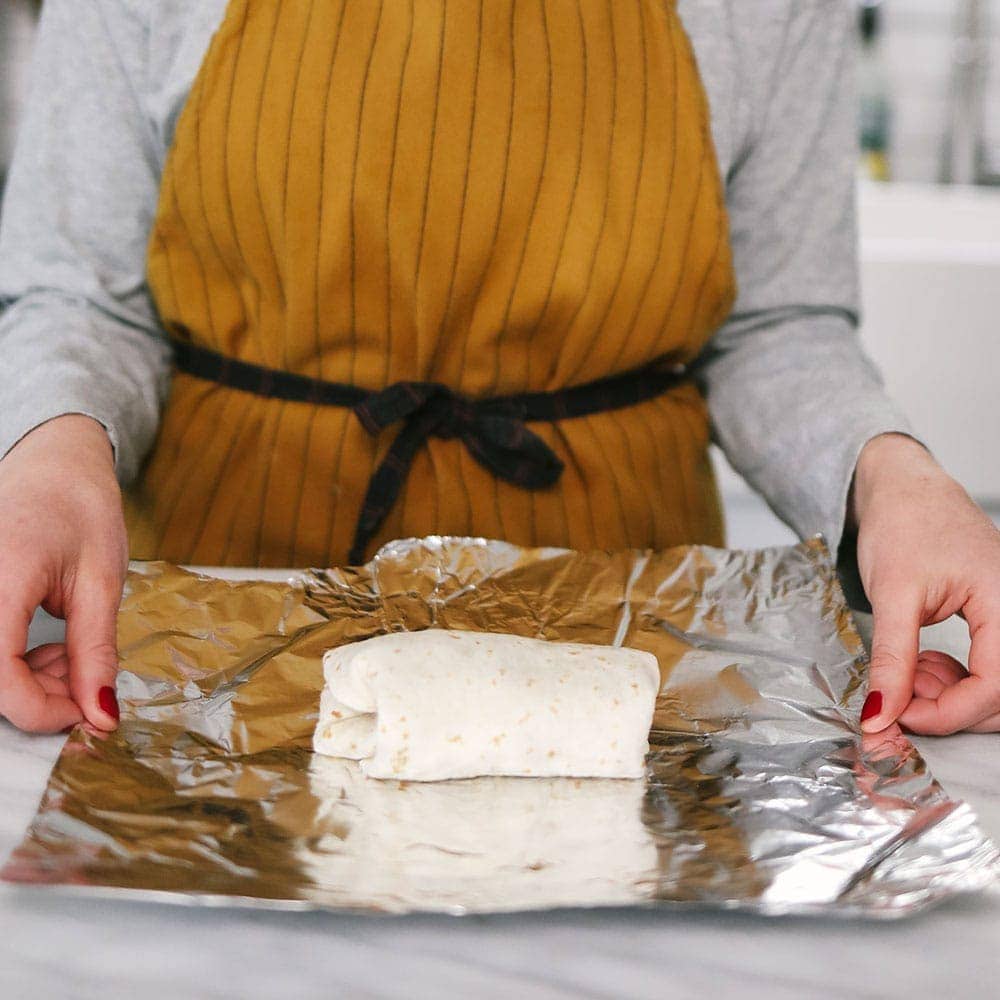
- Bean Burritos/Bowls: Combine canned black beans (or refried beans) with canned corn, diced tomatoes, and spices. Serve in tortillas (shelf-stable) or over cooked rice.
- Hearty Lentil Soup: Dried or canned lentils, canned diced tomatoes, vegetable broth, and any frozen or canned vegetables you have. Season generously.
- Tuna/Chicken Salad: Mix canned tuna or chicken with mayonnaise (if available) or olive oil, salt, pepper, and perhaps some dried cranberries or nuts. Serve on crackers or bread.
- Oatmeal with Dried Fruit & Nuts: A warm, comforting, and energy-dense breakfast.
- Pasta with Marinara: Canned tomato sauce, maybe some canned vegetables or beans, and spices over pasta.
- Pumpkin/Sweet Potato Puree Mash: Heat canned puree with a dash of salt, pepper, and perhaps a touch of honey or cinnamon for a nutritious side.
Conclusion: Empowering Your Preparedness Journey
Building a robust and healthy emergency food supply is a vital component of holistic preparedness. By strategically stocking your pantry and freezer with nutrient-dense, long-lasting ingredients, you ensure your family remains nourished, energized, and resilient, regardless of what challenges lie ahead. Remember, healthy emergency food prep isn't about fear; it's about empowerment, peace of mind, and the sustained well-being of those you care for most. Start small, build gradually, and regularly rotate your stock to keep your provisions fresh and ready for anything.
